EV News & Articles
Policy, infrastructure, station openings, and reviews — Pakistan only.
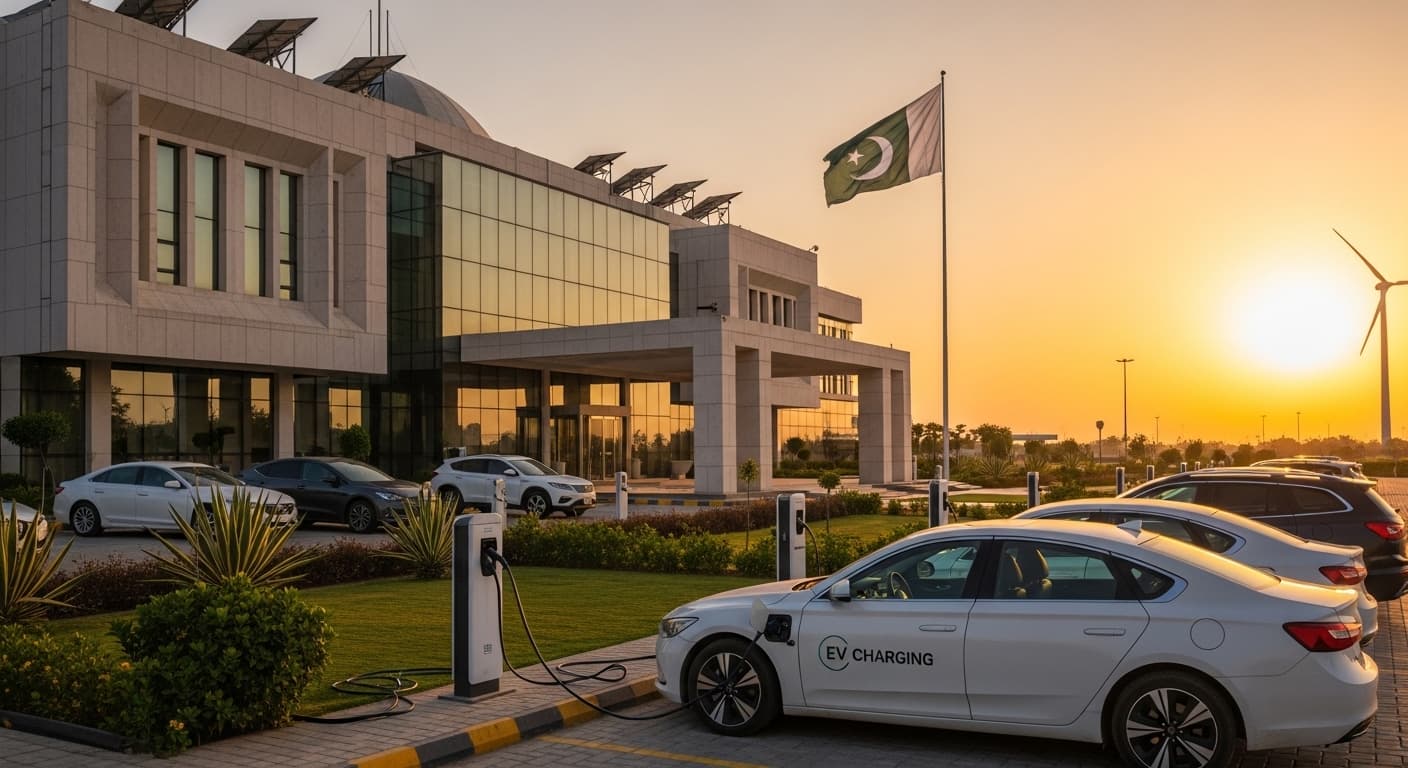
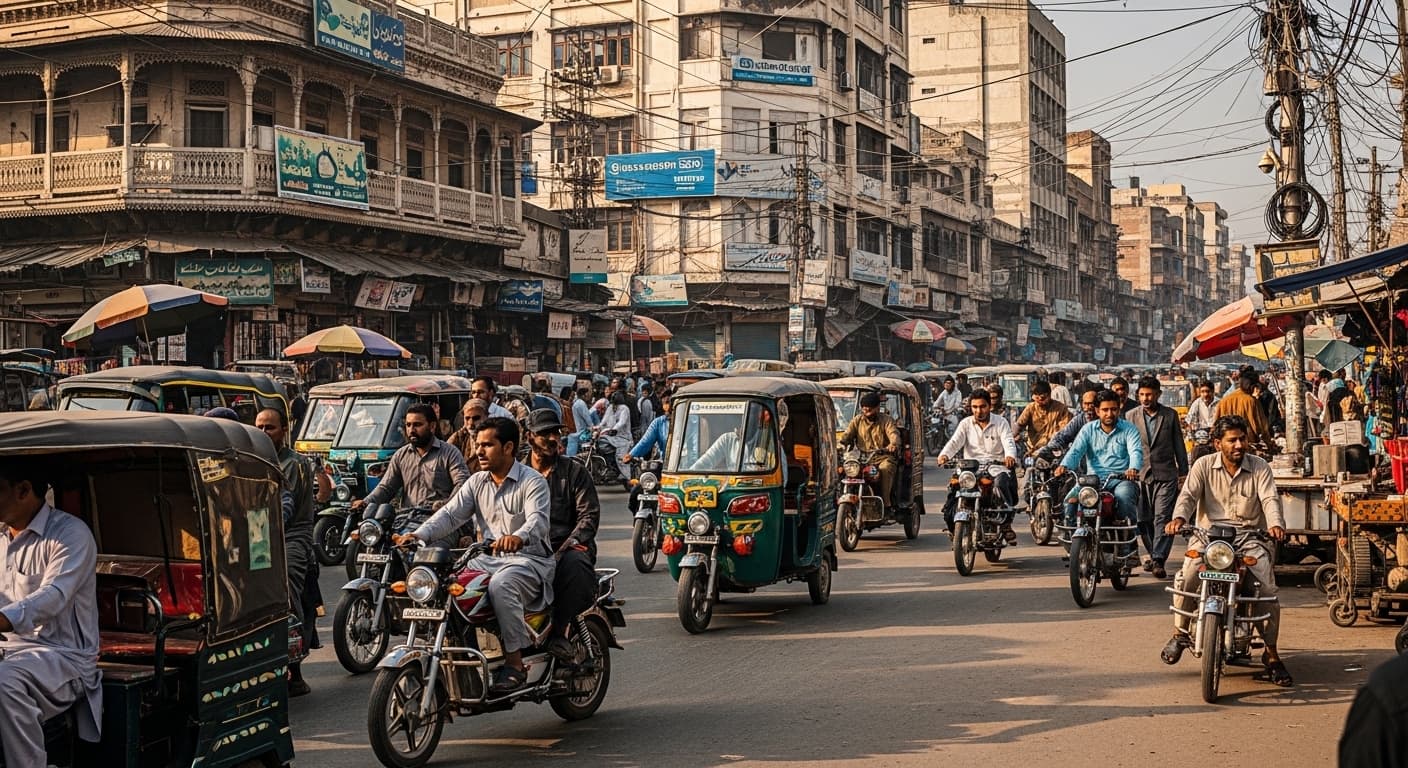
Why Two-Wheelers Are the Real Key to Pakistan's EV Revolution
While four-wheeler EVs grab headlines, Pakistan's real electric revolution will happen on two wheels. Motorcycles and rickshaws consume 40% of the country's fuel — and affordable electric alternatives already exist.
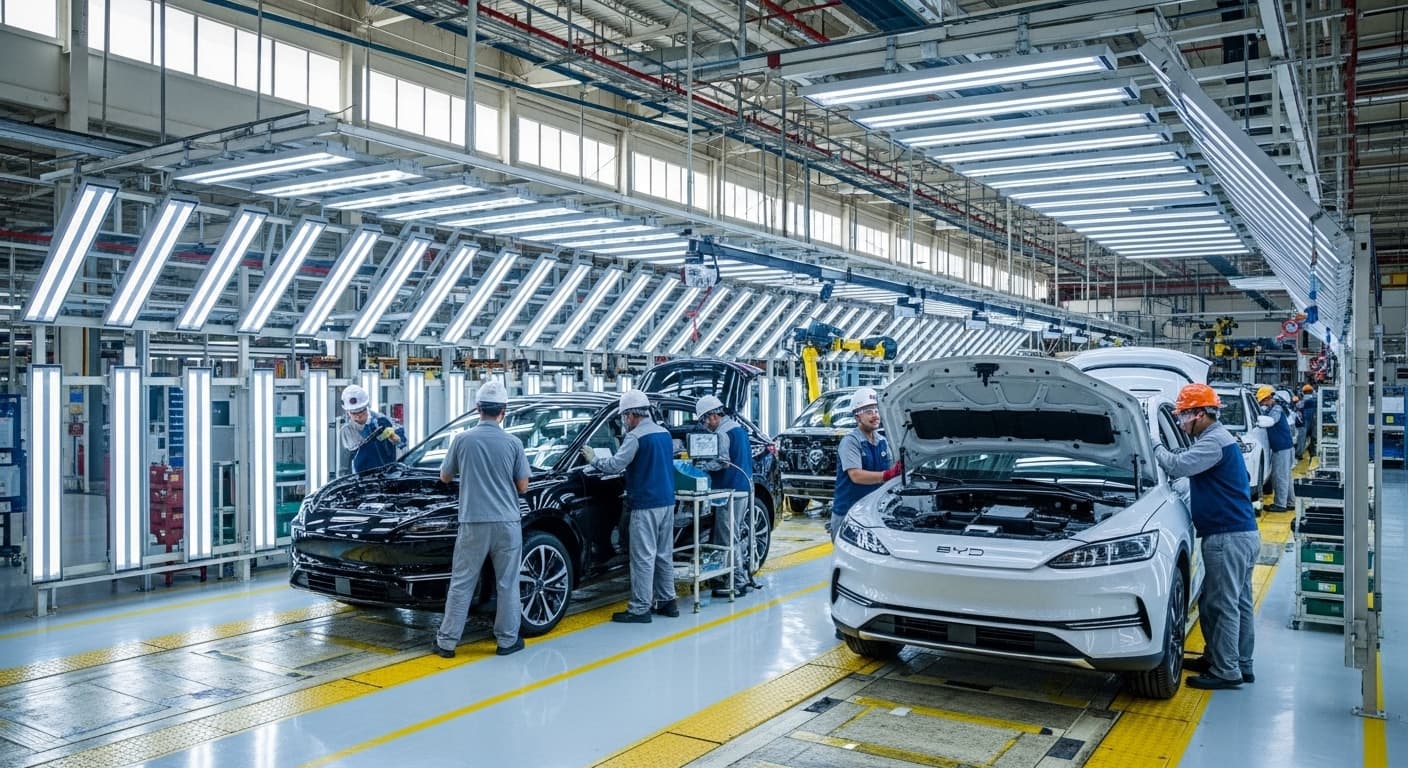
BYD's Karachi Assembly Plant: What 25,000 Units Per Year Means for Pakistan
Chinese EV giant BYD is establishing a local assembly plant in Karachi with capacity for 25,000 units per year. We analyse what local manufacturing actually means for EV prices, availability, and Pakistan's auto industry.
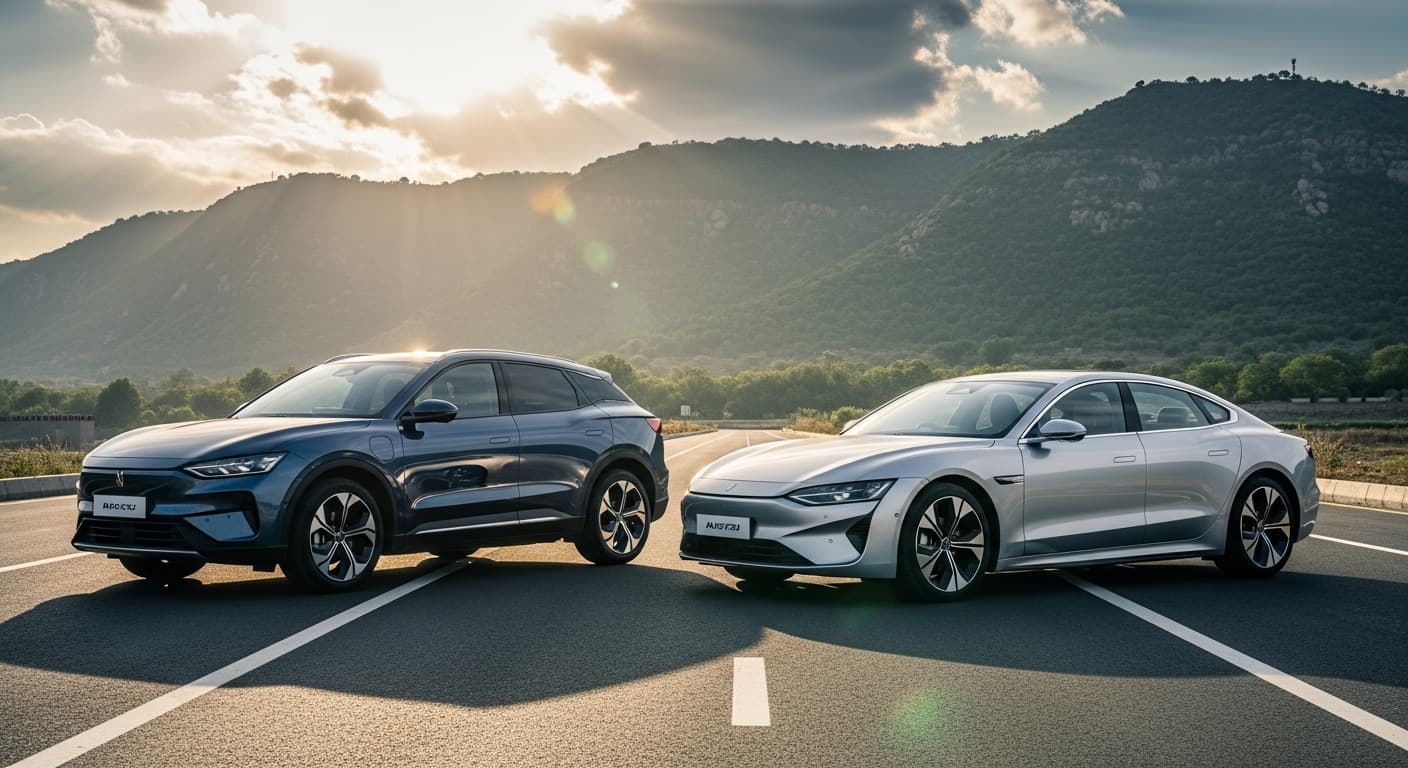
BYD Atto 3 vs BYD Seal in Pakistan: Which One Should You Buy?
BYD has launched two flagship models in Pakistan: the Atto 3 SUV and the Seal sedan. Both are compelling — but they serve very different buyers. Here's a full comparison to help you decide.
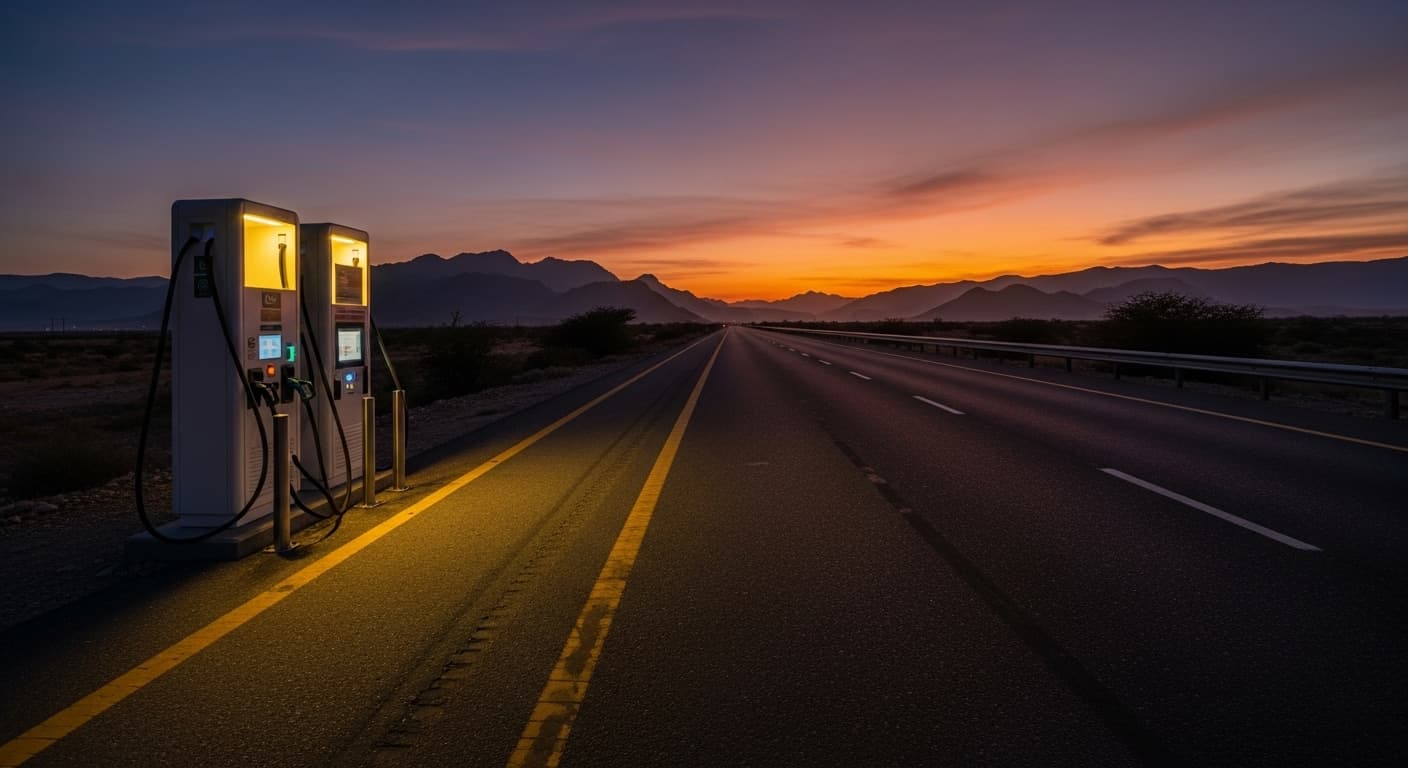
Range Anxiety in Pakistan: How Real Is the Charging Problem in 2026?
Range anxiety — the fear of running out of charge — is the number one reason Pakistanis hesitate to buy an EV. We examine the actual state of Pakistan's charging infrastructure in 2026: where it is genuinely adequate, where the gaps are dangerous, and what is being done.
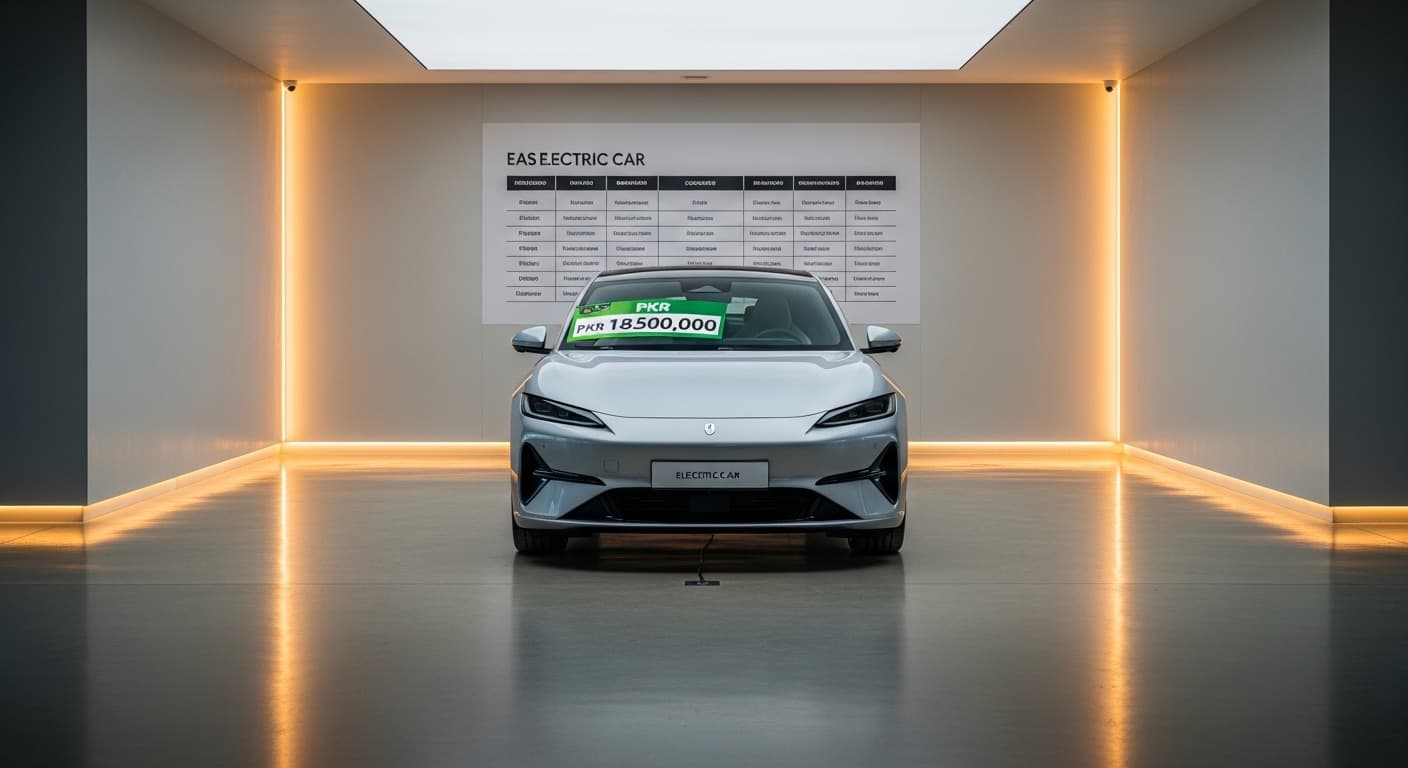
Why Are EVs So Expensive in Pakistan — And When Will Prices Actually Drop?
The cheapest new EV in Pakistan costs over Rs 6 million — three times the price of a best-selling petrol hatchback. We explain the exact reasons for the price gap and map out a realistic timeline for when EVs become affordable for middle-income Pakistani buyers.
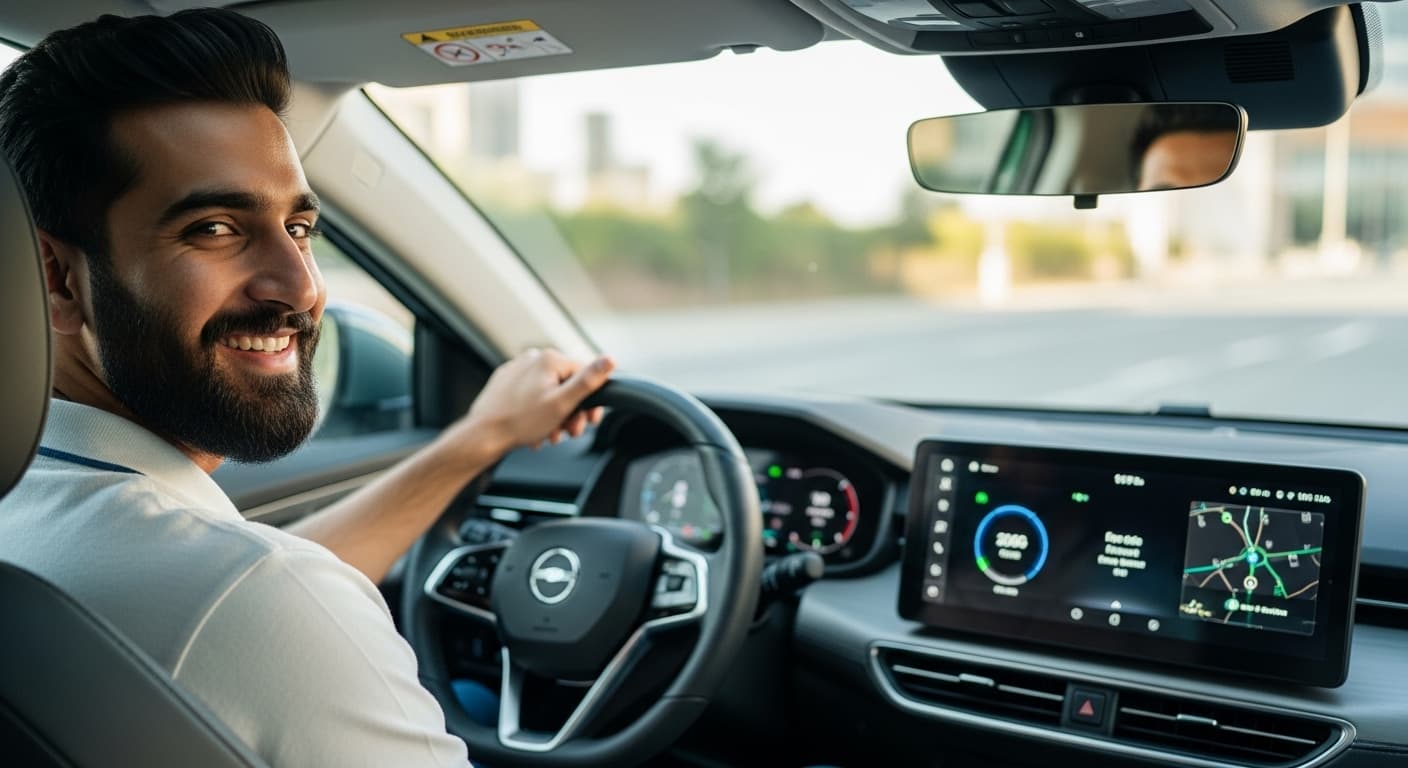
First-Time EV Driving in Pakistan: What Buyers Actually Experience
From "surreal acceleration" to genuine concerns about charging stops, Pakistan's growing community of first-time EV drivers has a lot to say. We compiled real experiences from owners across Karachi, Lahore, and Islamabad.
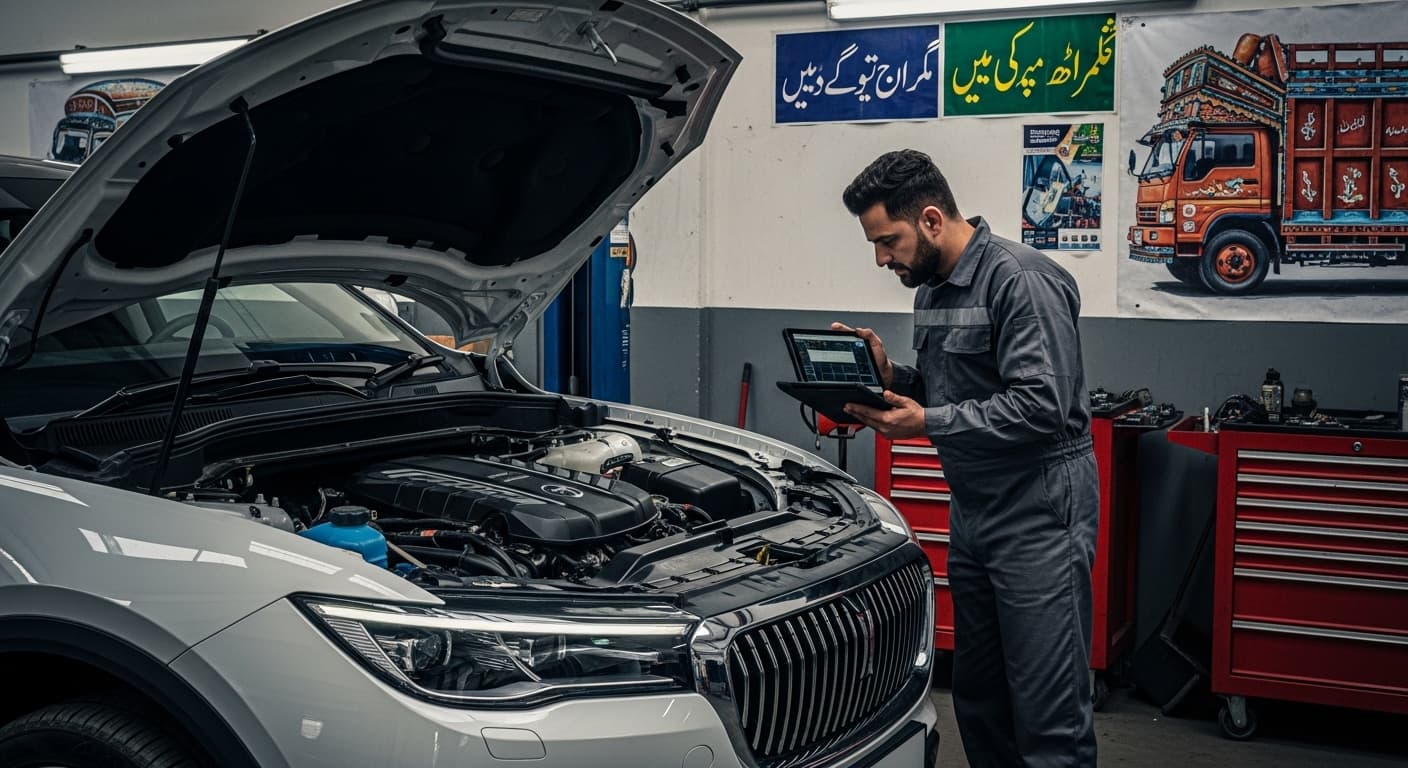
Audi E-Tron in Pakistan: What Owners Are Experiencing and What It Reveals
Pakistani owners of the Audi E-Tron have reported recurring technical issues and a lack of adequate support from the brand. Their experience reveals a broader challenge facing premium EV imports in markets without mature service infrastructure.
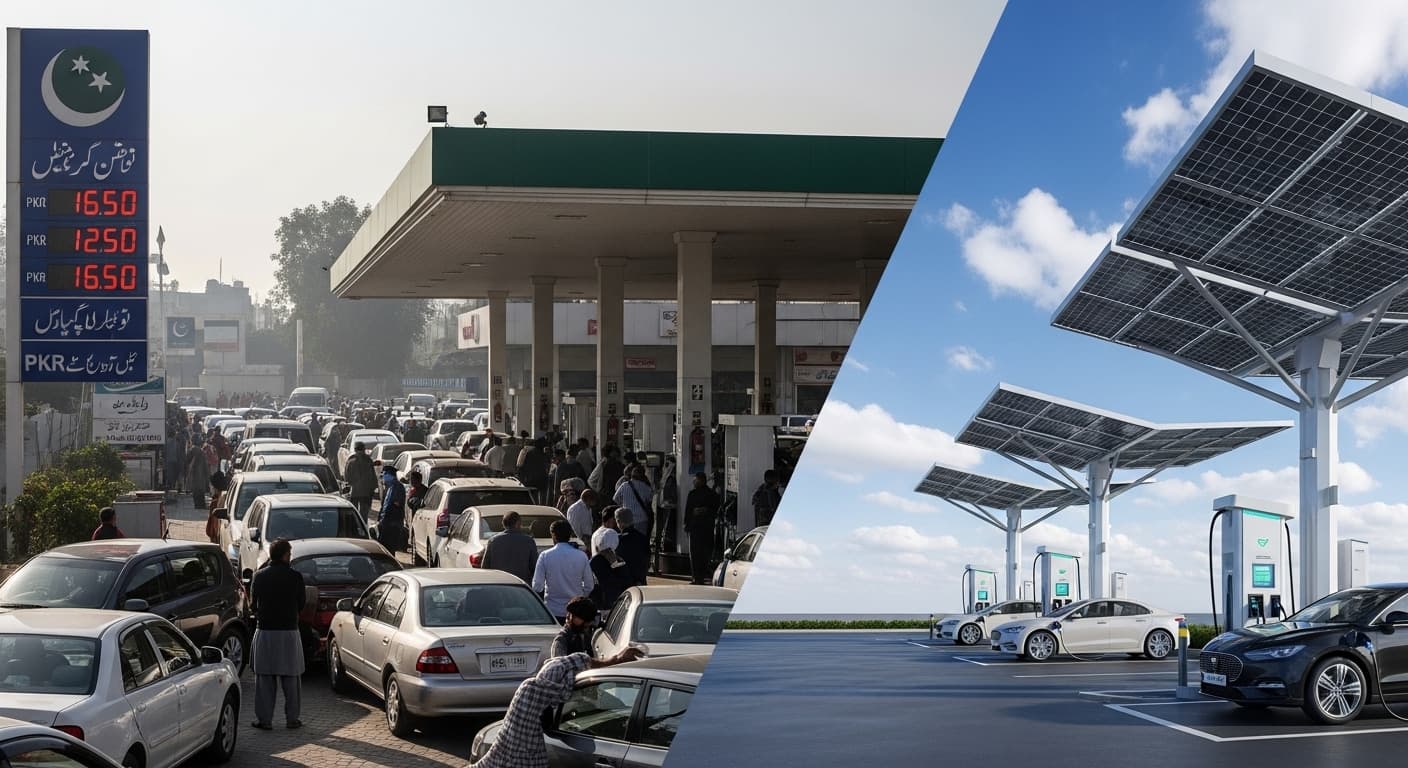
How the Global Energy Crisis Is Accelerating Pakistan's EV Transition
The global energy crisis has done more to accelerate EV adoption in Pakistan than any government policy. As fuel costs surge and energy security becomes a national priority, the economic case for electric vehicles has never been stronger.
Policy updates, new station alerts, and EV reviews — weekly digest.