Pakistan's community of electric vehicle owners is small but growing fast — and their experiences are reshaping how the broader public thinks about EVs. We spoke with and reviewed the accounts of dozens of first-time EV buyers across Pakistan's major cities. Here is an honest picture of what driving electric in Pakistan actually feels like in 2026.
The First Drive: Almost Universally Positive
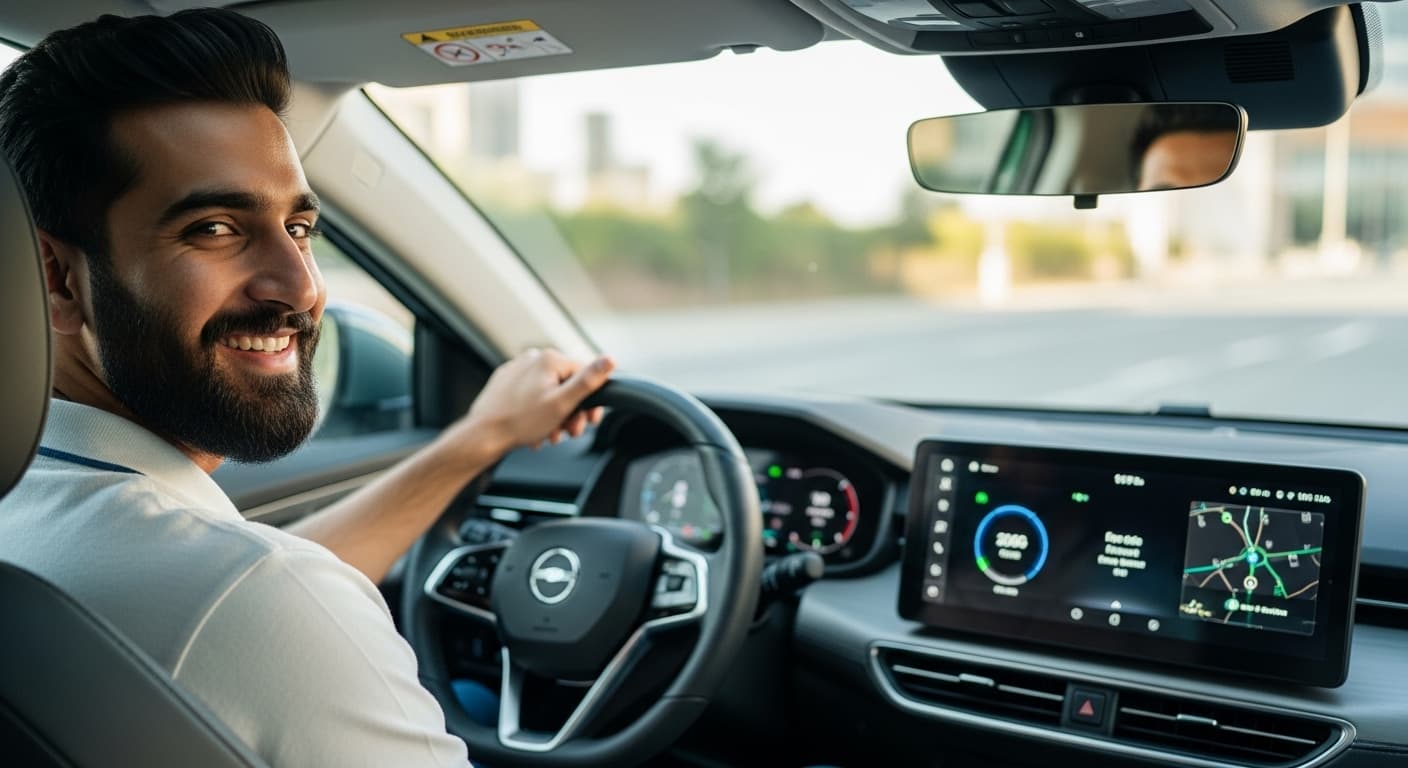
One theme comes up again and again in first-time EV driver accounts: the acceleration is a revelation. "I went to the showroom for a test drive and it was a surreal experience," wrote one Lahore-based buyer of the BYD Atto 3. "You press the accelerator and the car just goes. There is no engine noise, no gear shift, no waiting. It is nothing like any car I have driven before."
This reaction is consistent across vehicle types and buyer demographics. The smooth, immediate torque delivery of electric motors produces a driving experience that feels genuinely futuristic even in entry-level EVs. For buyers coming from budget petrol hatchbacks, the difference is particularly pronounced.
Beyond acceleration, owners consistently praise cabin quietness, the quality of regenerative braking once mastered, and the simplicity of home charging — plugging in at night and waking up to a full battery is, as multiple owners put it, "like having a fuel station at home."
The Concerns That Remain After Purchase
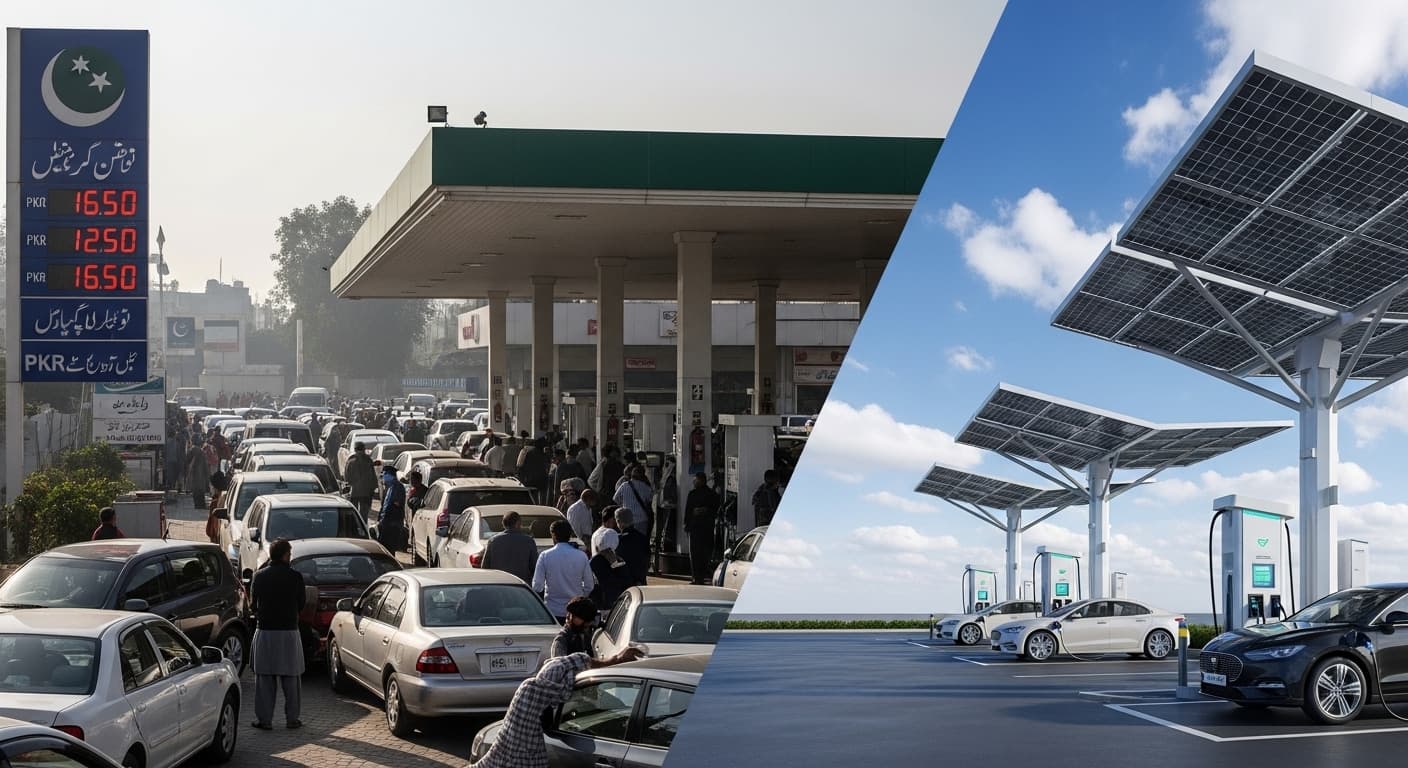
First-time EV ownership in Pakistan is not without friction. The most common post-purchase concern is charging infrastructure outside home and familiar city routes. "Within Islamabad I have no problems at all," explained one government sector EV owner. "But the moment I plan a trip outside the city, I spend more time planning charging stops than I spend planning the route itself. That should not be the case."
Charging network reliability is a recurring complaint. Several owners reported arriving at listed public stations to find chargers under maintenance or occupied with no queue management system. "There is no app, no live status, no way to know if the charger is working until you are standing in front of it," noted one Karachi-based BYD owner.
Price Sensitivity Is Real
Multiple buyers acknowledged stretching their budgets significantly to make the EV purchase work. "I spent Rs 9 million on a car I would have expected to spend Rs 4 million on," said one Lahore buyer. "I believe in the running cost savings, but it is a lot of money upfront." Most of these buyers financed their EVs through bank auto loans — and several noted that EV-specific financing products from major banks are still limited compared to conventional car financing.
The Verdict From Owners
The consensus among Pakistani EV owners is encouraging: they do not regret the purchase, the driving experience exceeds expectations, and the running cost savings are real and material. The friction points — charging infrastructure, upfront cost, and the occasional software quirk — are real but manageable. The phrase heard most often when asking owners whether they would recommend an EV to others: "Yes, but be prepared." That qualifier is the work Pakistan's EV ecosystem needs to make unnecessary.