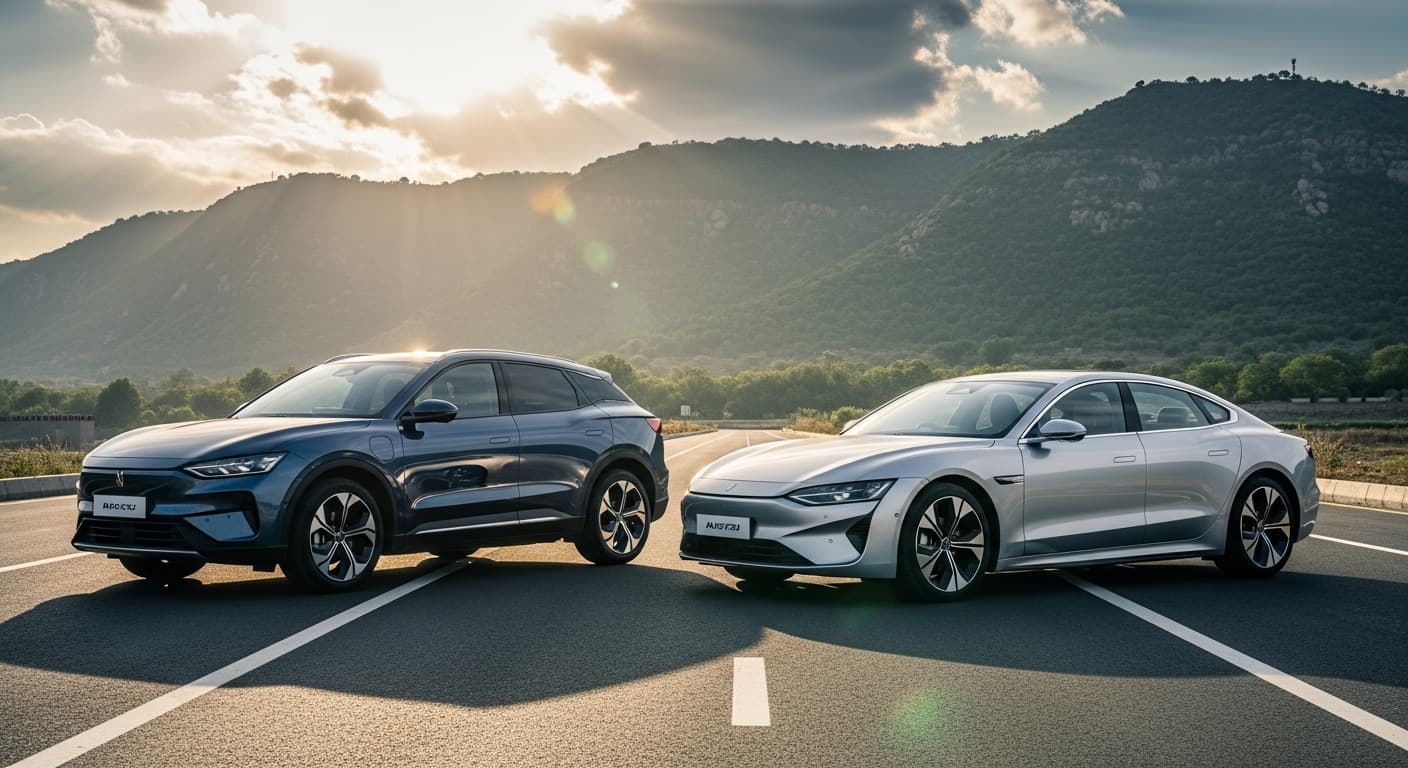
The Audi E-Tron arrived in Pakistan carrying the full weight of German engineering prestige — and a price tag to match. At Rs 25–35 million depending on variant and import timing, it represented the premium end of Pakistan's nascent EV market. For some buyers, it also delivered a harsh lesson in what happens when a complex, software-heavy European EV meets an aftersales infrastructure that was not prepared for it.
What Owners Are Reporting
Reports from Pakistani E-Tron owners describe a pattern of recurring technical issues: battery management system warnings, charging port errors, suspension faults, and — in several documented cases — complete vehicle shutdowns requiring dealer intervention. "Refrain from buying an E-Tron," one owner wrote in an account shared widely in Pakistani automotive communities. "It develops many problems and the company provides no adequate support."
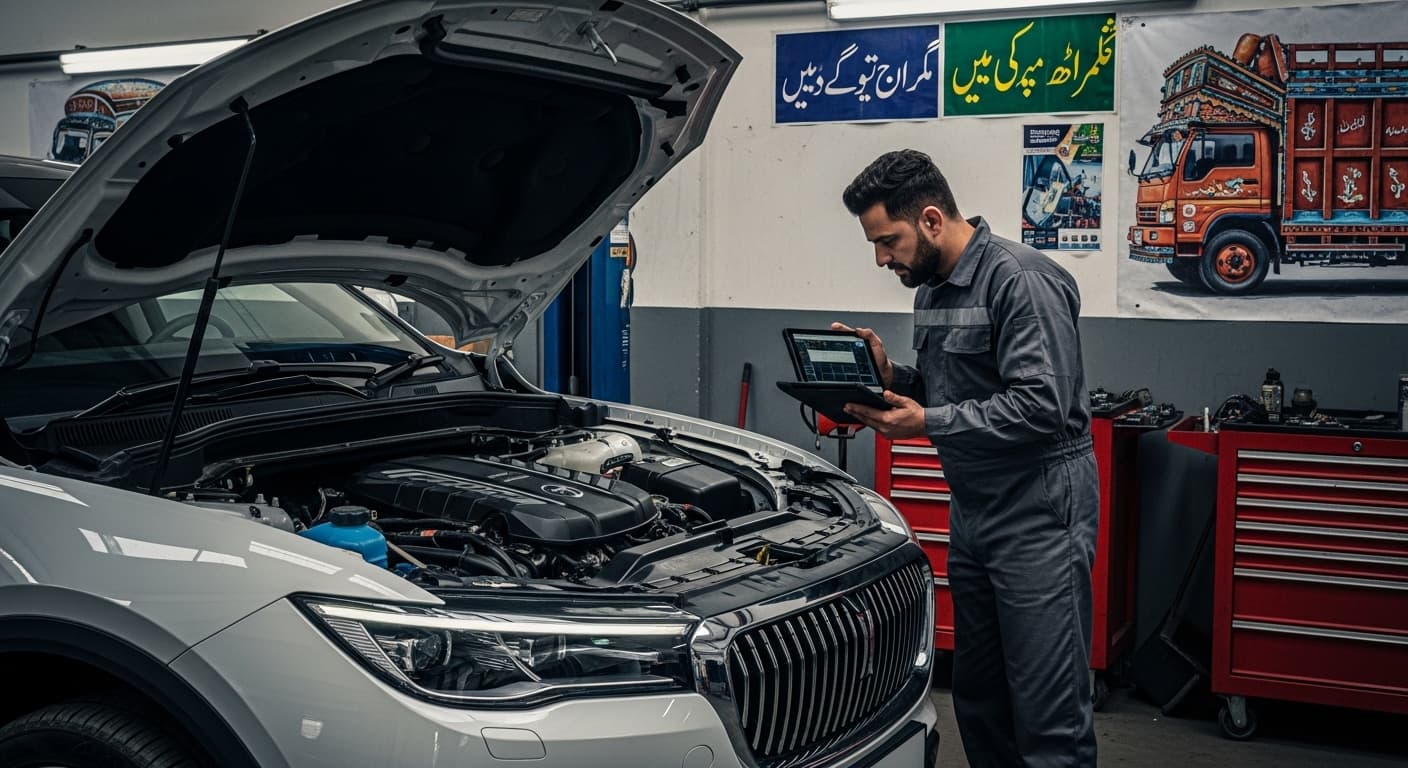
The specific issues vary, but a consistent thread is the difficulty of resolving them. Audi Pakistan's authorised service network was not established with EV-specific diagnostic tools and technician training at the time these vehicles entered the market. Software updates — a routine matter for European E-Tron owners who can receive over-the-air updates or attend any of hundreds of Audi service centres — have been delayed or required shipping vehicles to Karachi from other cities.
Why This Happens: The Infrastructure Gap
The E-Tron's issues in Pakistan are not primarily a reflection of the vehicle's quality — in European markets, it is a competent and well-regarded premium EV. The problem is the mismatch between a complex, software-dependent vehicle and a market where EV aftersales infrastructure is still in early development.
Pakistani Audi dealers were selling internal combustion vehicles for decades before their first E-Tron arrived. EV-specific training, diagnostic equipment, and battery service capabilities take years and significant investment to develop. When early adopters bought E-Trons at launch, they were effectively beta testing a service network that was not ready.
What This Means for Luxury EV Buyers
Before purchasing any premium imported EV in Pakistan — whether Audi, BMW, Mercedes, or Porsche — prospective buyers should ask specific questions of the importer: Are EV-certified technicians employed at the local service centre? Are battery diagnostic tools present at the workshop? What is the warranty claim process if the vehicle requires a software update or battery component replacement? If these questions receive vague answers, treat that as a significant red flag.
Chinese EVs from BYD and MG, by contrast, have benefited from their manufacturers' deeper commitment to the Pakistani market — including investment in local service centre EV capability as part of their market entry strategy. The E-Tron experience is a cautionary tale for premium buyers, not a verdict on EVs as a category.