Pakistan's government has set one of South Asia's most ambitious electric vehicle targets: 30% EV adoption across the national vehicle fleet by 2030. Prime Minister Shehbaz Sharif has directed all relevant ministries to fast-track implementation, calling the shift to electric transport a matter of both economic necessity and environmental responsibility.
But what does "30% adoption" actually mean in practice — and is it achievable? We break down the policy in full.
What the Policy Covers
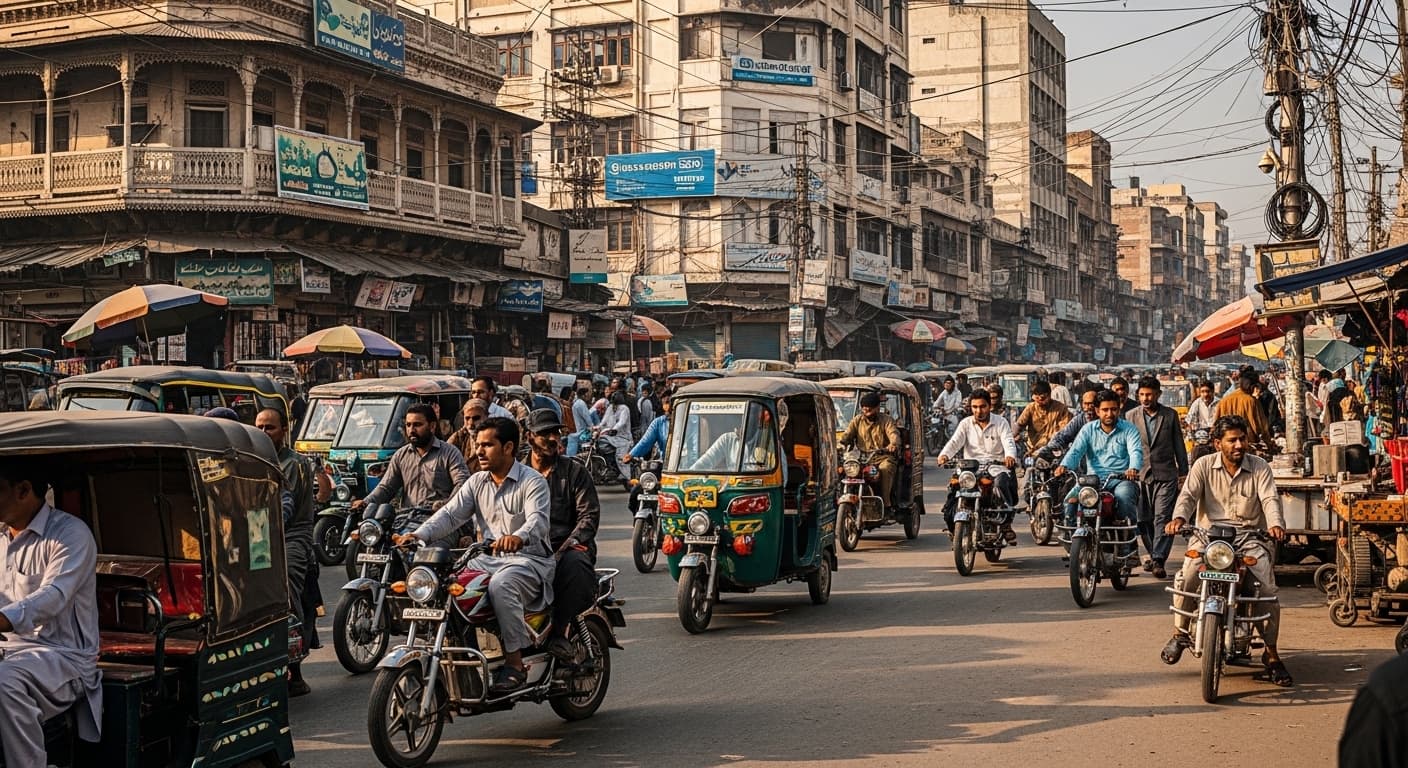
The 30% target applies across all registered vehicle categories in Pakistan, but the policy is most urgently focused on two-wheelers and three-wheelers. Motorcycles and rickshaws account for the largest share of Pakistan's total fuel consumption — two-wheelers alone are responsible for approximately 40% of the country's gasoline usage — making their electrification the single highest-impact intervention available.
Four-wheeler passenger EVs, commercial vehicles, and public buses fall under a separate phase of the policy, with less aggressive adoption timelines and heavier reliance on private sector investment.
Key Policy Pillars
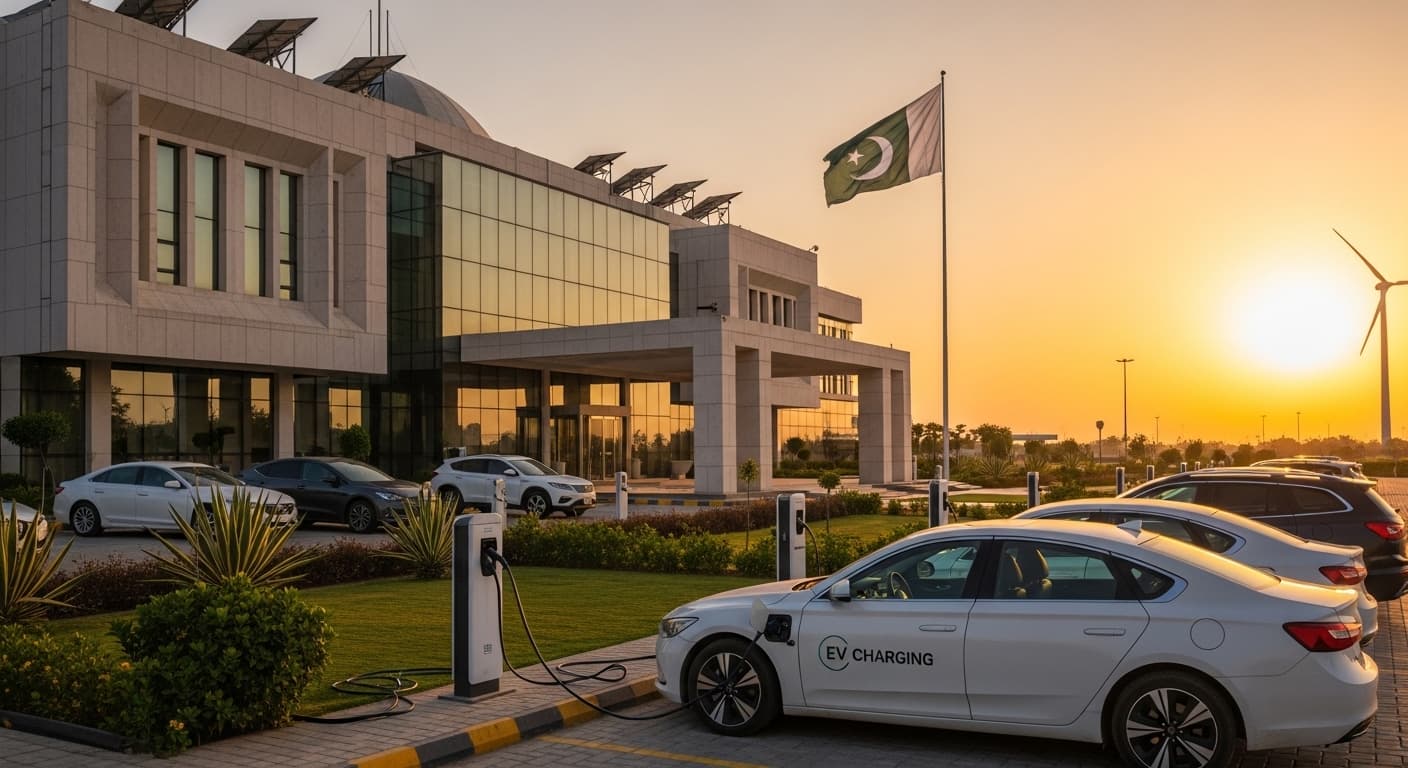
The national EV policy rests on four pillars: import duty relief on EV components, mandatory charging infrastructure at fuel stations above a defined transaction threshold, preferential financing rates for EV purchases through state-backed banks, and a phased ban on new registrations of petrol two-wheelers in major cities starting from 2028.
The government has also fast-tracked NEPRA's EV-specific electricity tariff — a critical enabler that makes the economics of public charging commercially viable for operators.
Is 30% by 2030 Realistic?
Analysts are cautiously optimistic about the two-wheeler segment, where the economics are already compelling: an electric motorcycle costs approximately Rs 2,500–3,500 per month less to operate than a petrol equivalent. Several local manufacturers including Ravi Automobile, United Motors, and Metro have already launched electric motorcycle models priced between Rs 120,000 and Rs 180,000.
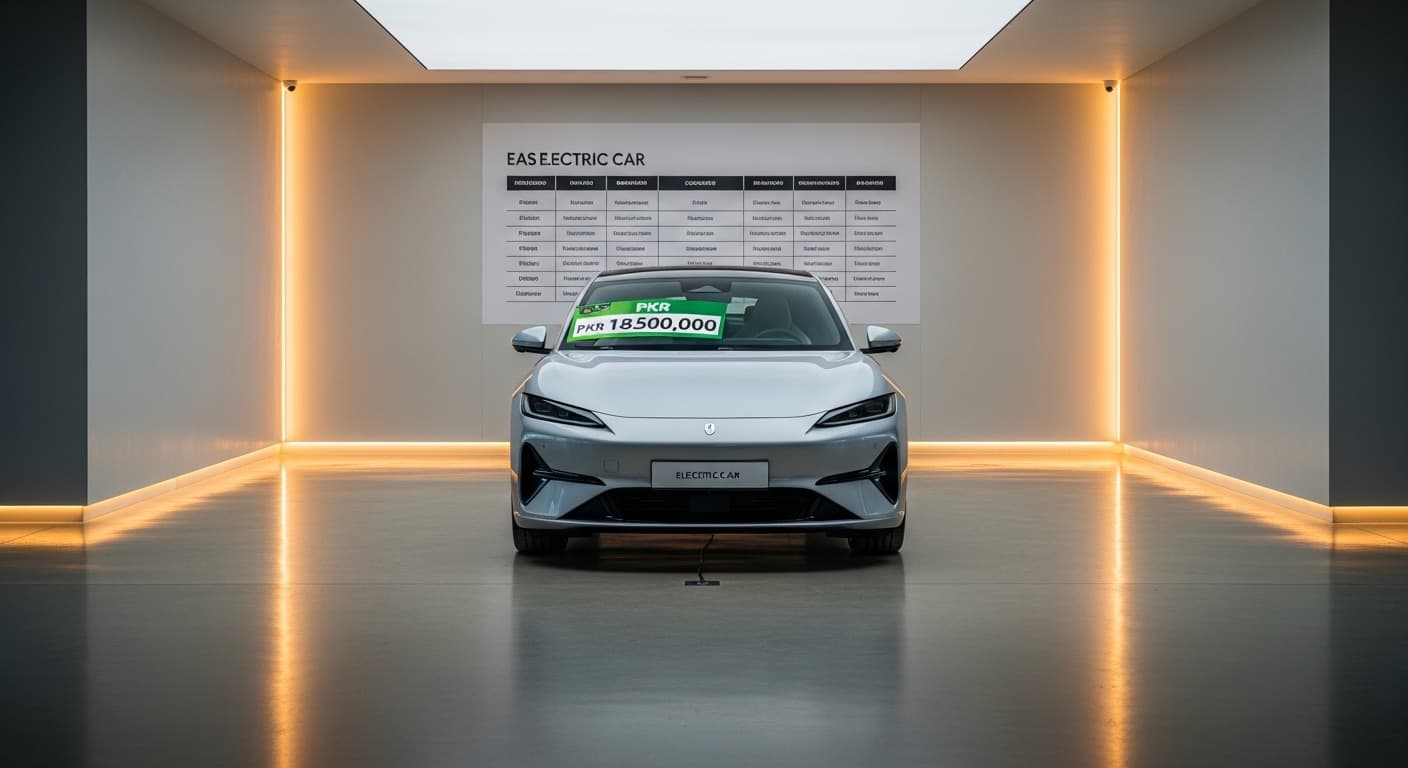
For four-wheelers, the 30% target faces steeper headwinds. The average transaction price of an EV in Pakistan currently sits above Rs 8 million — three to four times the best-selling petrol hatchback. Without aggressive subsidy mechanisms or significant local manufacturing, passenger car electrification will lag the two-wheeler transition by several years.
What Needs to Happen
For the 2030 target to be credible, Pakistan needs to simultaneously address three gaps: charging infrastructure must expand from roughly 72 public stations today to an estimated 2,500+ nationwide; EV prices must fall as local assembly scales up; and consumer awareness must improve — surveys suggest over 60% of Pakistani drivers have never seen a public EV charger.
The BYD Karachi assembly plant, once operational, will be a significant proof point. At 25,000 units per year, it represents the kind of local manufacturing commitment that can shift both price points and public confidence in EV availability.
The Bottom Line
Pakistan's 30% EV target is ambitious but not unreachable — provided the two-wheeler segment delivers on its potential. For four-wheelers, consider 2030 a directional target rather than a hard commitment. The policy framework is stronger than it has ever been. Execution is now the variable that matters.