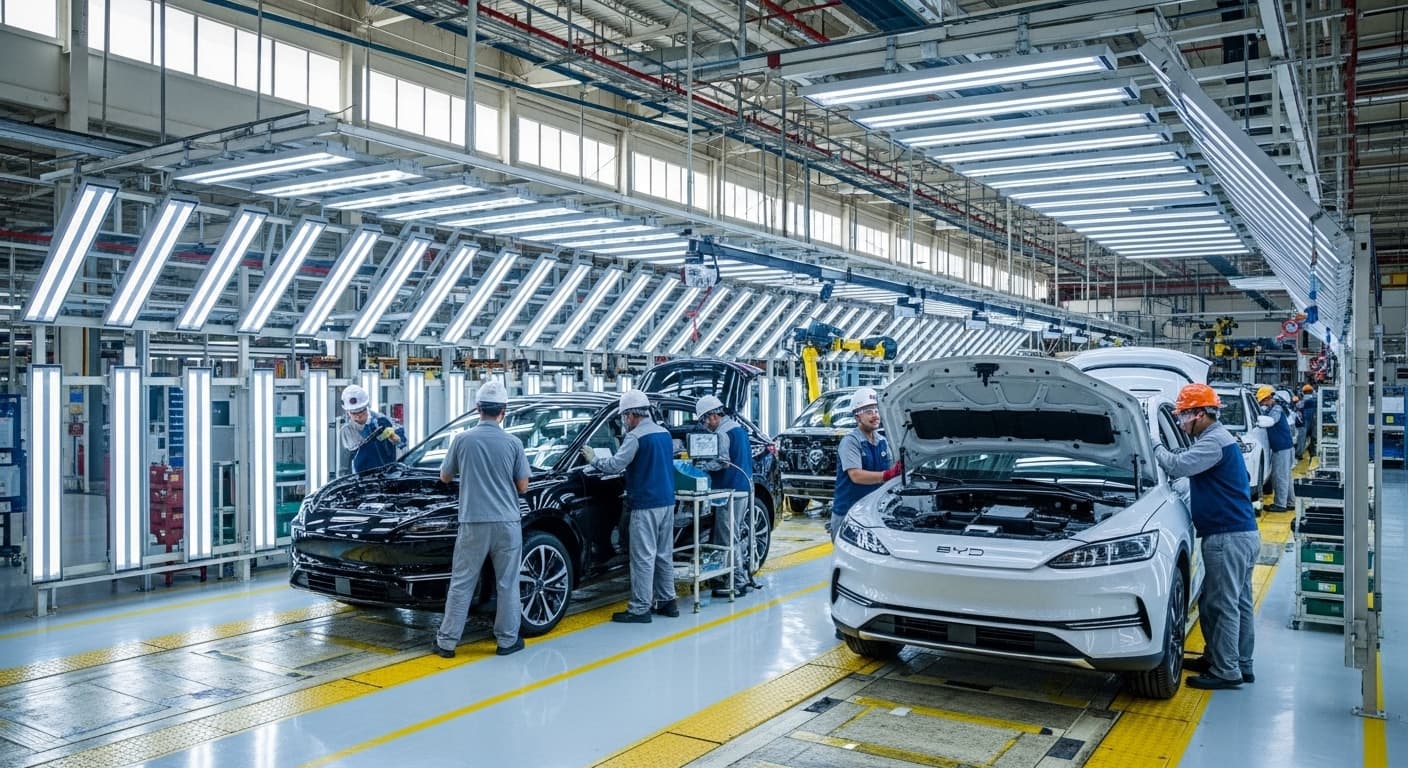
BYD — the world's largest electric vehicle manufacturer by sales volume — is establishing a local assembly plant in Karachi. With a stated annual capacity of 25,000 units, the facility represents the single largest commitment to electric vehicle manufacturing in Pakistan's history. But what does "local assembly" actually deliver for Pakistani buyers?
What Local Assembly Actually Means
It is important to be precise about what "local assembly" means in the Pakistani automotive context. BYD's Karachi facility will be a CKD (completely knocked down) assembly operation initially — vehicles arrive as disassembled kits and are put together locally. This is the same model used by Toyota, Suzuki, and Honda in Pakistan for decades.
Full local manufacturing — where engines (or in this case, battery cells and motors) are produced in Pakistan — is a longer-term possibility but not part of the initial plant announcement. Nonetheless, even CKD assembly carries significant benefits: lower import duties compared to CBU (completely built-up) imports, local job creation, and a platform for gradually increasing local content over time.
Price Impact: How Much Will EVs Get Cheaper?
This is the question Pakistani buyers most want answered. Based on precedent from BYD's assembly operations in other markets, local CKD assembly typically reduces retail price by 15–25% compared to the equivalent imported CBU vehicle, primarily through duty savings and logistics cost reduction.
Applied to the current BYD Atto 3 price in Pakistan (approximately Rs 8.5–9.5 million depending on variant), local assembly could bring the price into the Rs 6.5–8 million range. That remains expensive relative to petrol alternatives, but it meaningfully expands the addressable buyer pool — particularly for corporate fleet purchasers who buy in volume.
25,000 Units: Is There Demand?
Pakistan's total passenger car market runs at approximately 200,000–250,000 units per year in a healthy year. BYD's 25,000-unit capacity represents roughly 10–12% of total market volume — an aggressive target for a segment that currently accounts for under 2% of sales.
The factory will not run at full capacity immediately. Industry sources suggest initial production targets of 5,000–8,000 units in Year 1, scaling as demand develops. BYD has shown willingness to play a long game in new markets, having operated at below-capacity in several other emerging market entries before volume materialised.
Broader Industry Implications
BYD's commitment is likely to accelerate similar decisions by other Chinese EV manufacturers with Pakistan ambitions. SAIC (parent of MG), Changan, and DFSK have all been in various stages of feasibility study for local EV assembly. A BYD plant operational and producing vehicles is the proof point that typically unlocks competitor commitments.
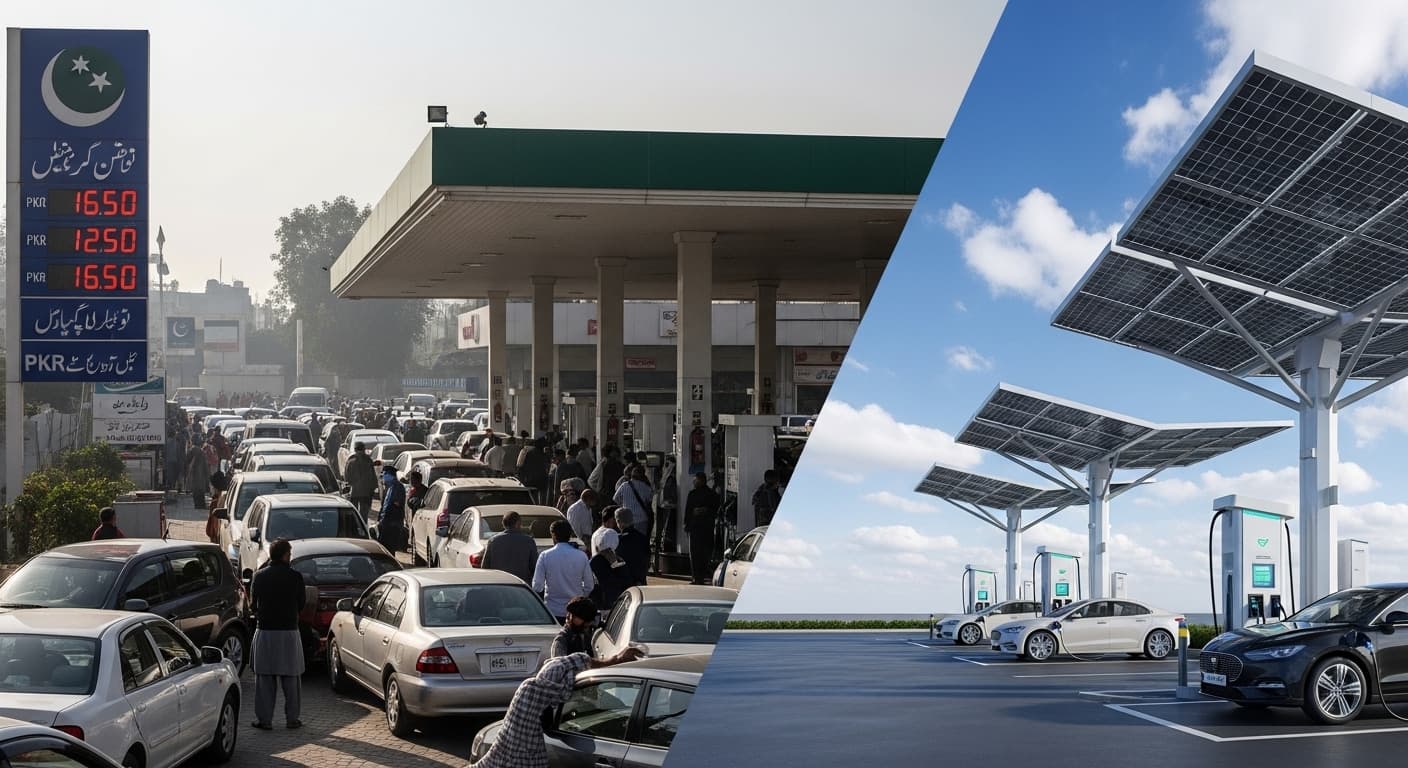
For Pakistan's charging infrastructure, 25,000 additional EVs per year significantly strengthens the business case for public charging station investment — the classic chicken-and-egg problem of EV infrastructure finally begins to resolve itself at this scale.