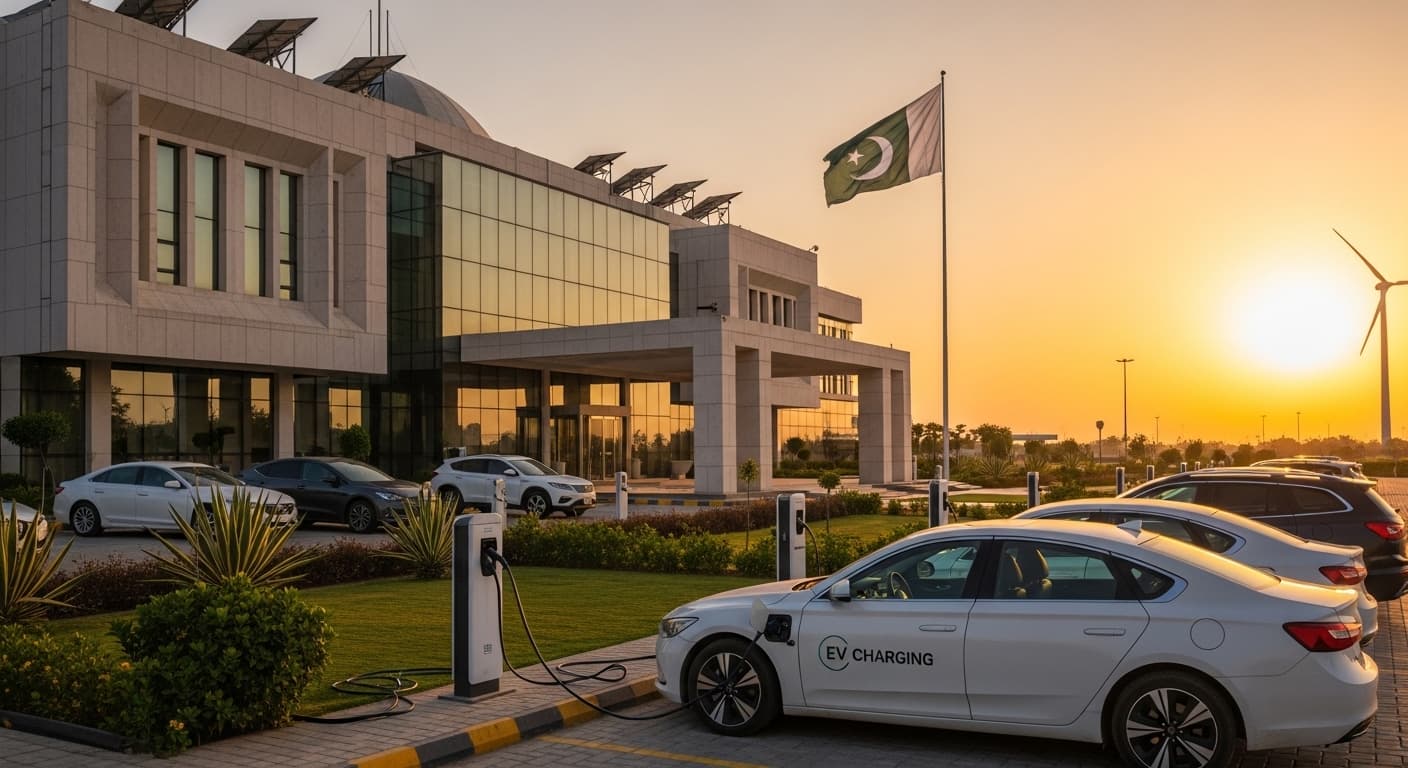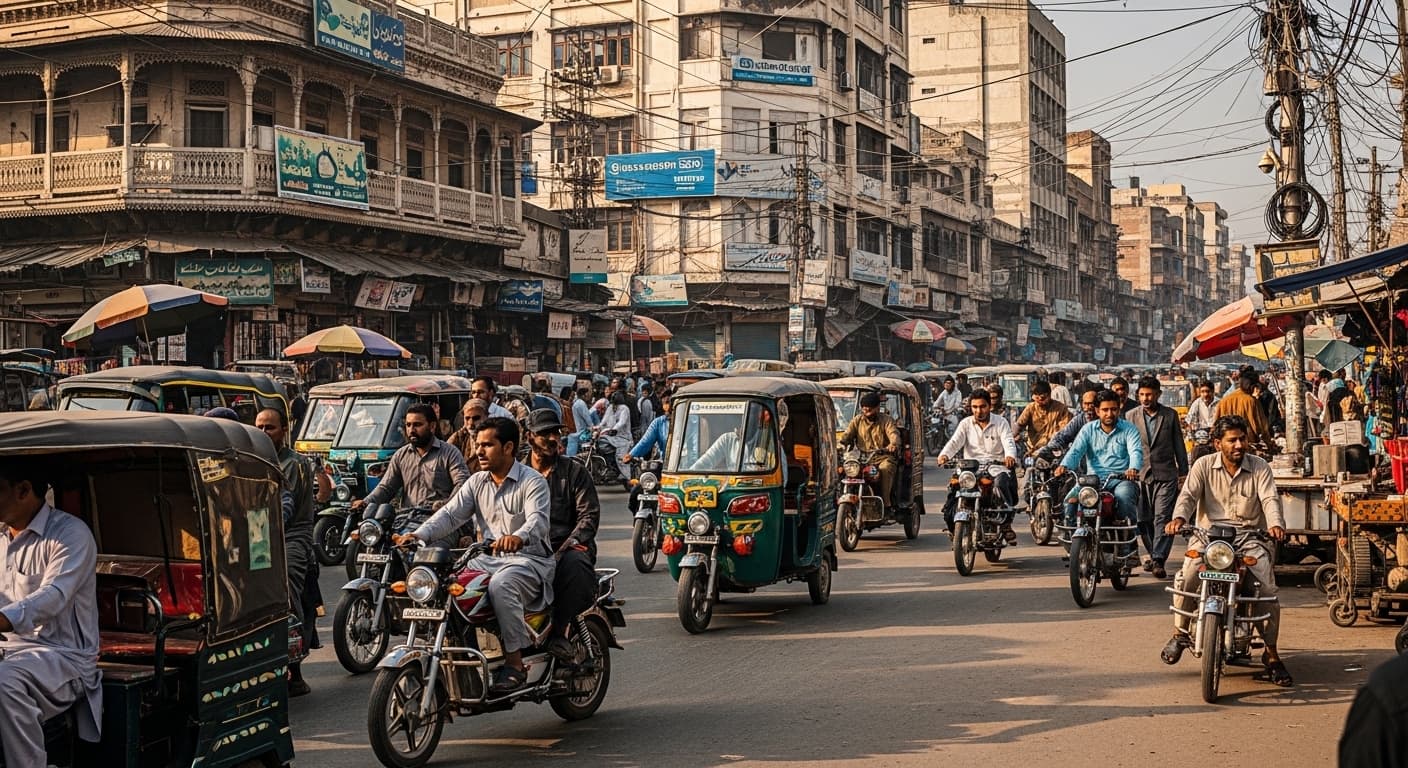
When Pakistan's EV policy mentions a 30% adoption target by 2030, most people picture electric cars. But the real transformation — the one that will actually move the needle on fuel consumption and emissions — will happen on two wheels.
Pakistan has approximately 26 million registered motorcycles. They collectively burn an estimated 40% of the country's total gasoline. No other single intervention — not four-wheeler electrification, not CNG expansion, not public transport upgrades — comes close to that impact if it succeeds.
The Economics Already Work
Unlike electric cars, which still carry a significant price premium over petrol equivalents, electric motorcycles in Pakistan have crossed a critical threshold: they are now competitively priced at the entry level. Models from Ravi, United, and Metro Electric start at Rs 120,000 — comparable to a basic 70cc petrol motorcycle when total cost of ownership is factored in over three years.
The running cost advantage is dramatic. Charging an electric motorcycle from empty costs approximately Rs 80–120 depending on local electricity rates. The petrol equivalent for the same range costs Rs 400–550 at current fuel prices. For a daily commuter covering 40–50km, the monthly saving is Rs 8,000–12,000 — meaningful for Pakistan's median income household.
Electric Rickshaws: Quietly Already Happening
In Lahore, Faisalabad, and several secondary cities, electric rickshaws have been quietly replacing CNG three-wheelers since 2022. Imported primarily from Chinese manufacturers and assembled locally, these vehicles charge overnight on a standard domestic socket and operate for 80–120km per charge — adequate for the stop-start urban routes that define rickshaw operation in Pakistan.
Rickshaw drivers report savings of Rs 15,000–20,000 per month compared to CNG running costs, with the electric vehicle paying back its price premium within 18–24 months in most use cases.
The Remaining Challenges
Two barriers remain. First, battery quality varies enormously across the price spectrum — cheaper imported units from unknown Chinese manufacturers have shown early degradation, undermining consumer confidence. The government's proposed battery quality certification standard, expected in H2 2026, should help separate reliable products from substandard ones.
Second, charging infrastructure for two-wheelers is almost entirely home-based. There are no dedicated two-wheeler public charging points in Pakistan as of mid-2026. For urban commuters this is rarely a problem, but for delivery riders and inter-city travel it limits the use case.
What to Watch
The two-wheeler EV market in Pakistan will be shaped in the next 24 months by three developments: whether the phased petrol motorcycle registration ban proceeds in major cities; how quickly local battery assembly scales; and whether any major two-wheeler brand launches a credible 150cc-class electric motorcycle to capture the performance segment. When that happens, the transition will accelerate significantly.